
Surgical Tooth
- Home
- Surgical Tooth
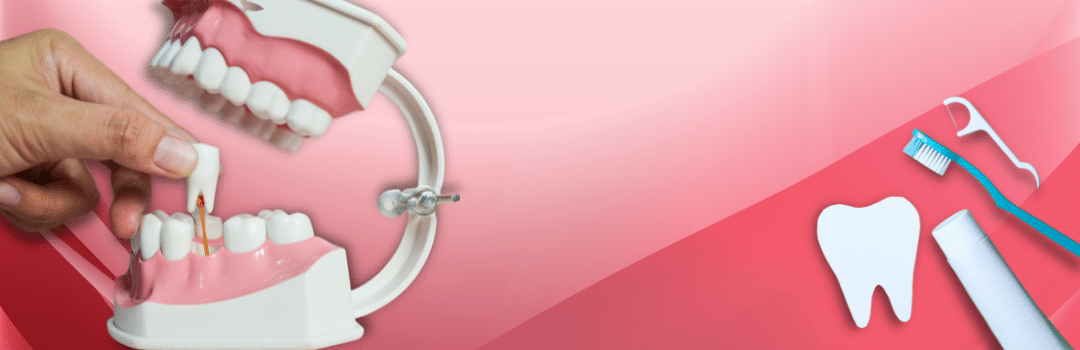
Surgical Tooth Extraction Treatment at Smile Edge (Andheri East, Mumbai)
A tooth extraction is a dental procedure wherein a dental surgeon removes a tooth from its socket or alveolus. Dr rupali wanckhede at Smile Edge in Andheri is highly skilled and experienced in performing dental extractions. We take special care to preserve your original teeth and keep them intact. However, in unavoidable cases patient has to undergo a tooth extraction procedure when the tooth health reaches a stage that's beyond repair or has severe overcrowding.
Tooth extraction can be performed for various reasons. Nonetheless, there are some common reasons for tooth extraction and these include:
Reasons For Tooth Extraction
People have two sets of teeth in their lifetime; milk teeth and permanent teeth. Babies have the first set of milk teeth that the body develops. Once babies reach a certain age, these sets of milk teeth fall off and replace them with the second set of permanent teeth. Though permanent teeth are meant to last you a lifetime, taking care of them is needed. However, sometimes, extracting the natural teeth becomes necessary due to the following instances:
- 1. Irreparable damage to the tooth
In cases where tooth decay reaches the pulp or centre of the tooth, extraction may be performed to avoid further spread of infection.
- 2. Make Gaps For Braces
Tooth extraction is an essential procedure to create space for braces or any orthodontic treatment.
- 3. Correct Misaligned Teeth
Tooth extraction also offers a great remedy for badly positioned, misaligned teeth.
- 4. Due to Periodontal Disease
Periodontal Disease is a type of infection caused by bacteria present in dental plaque. Dental plaque is a sticky substance that may form on the teeth hours after food consumption. This affects gums, alveolar bone, periodontal ligaments and other structures around the teeth. An early stage of this disease is called gingivitis as it infects the gums. When the disease turns severe, it affects the periodontal ligaments and alveolar bone leading to mobility
- 5. Impacted Teeth
An impacted tooth may happen due to blockage or partial eruption through gums. This usually occurs in the case of wisdom teeth. Experts at Smile Edge may recommend this impacted tooth extraction to stop it from damaging other teeth
At Smile Edge, we offer surgical treatments in impacted tooth removal after a thorough examination of the affected area .
- 6. Eliminate badly positioned teeth
Patients who complain about overcrowded teeth in the mouth may seek help for the extraction of one or more teeth. Generally, dentists recommend teeth extraction when there is not enough space to make the alignment of teeth straight.
- 7. Post-accidental Urgency
Sometimes accidents can be a reason for the requirement of tooth extraction. A dentist would initially try to restore the tooth using dental bonding, bridges, veneers or crowns. However, a dreadful dental problem may require a tooth extraction.
In exceptional cases where patients undergoing chemotherapy or about to get an organ transplant surgery, extraction of a particular tooth may necessitate eliminating the risk of infection in the immunocompromised patients.
At Smile Edge, we provide dental treatment, including tooth extraction, to offer you a beautiful smile. Nevertheless, we always prioritise the preservation of your existing natural teeth as far as possible.
Two Different Types of Tooth Extraction
Simple Extraction:
Simple extraction is a removal process performed on the visible teeth in the mouth. Usually, dental professionals carry out this simple extraction procedure under local anaesthesia. At first, the dentist uses the drug to numb the surrounding area of the affected tooth and carefully loosen it. Once it gets loose, the dentist extracts it from the socket.
Surgical Extraction:
In cases that are more complex, dentists perform surgical tooth extraction to eliminate the not-so-accessible teeth. This is a general cause of partial eruption or breakage of teeth under the gumline. Thus, surgical extraction is a very difficult process in which the affected teeth are removed into pieces to facilitate its elimination.
The dental surgeon performs the extraction procedure under local anaesthesia. Is tooth extraction is the final option to cure dental issues??, consultation with the dentist is vital to understanding the necessity of tooth extraction.
Here are some cases in which we at Smile Edge may recommend a surgical tooth extraction. Nevertheless, everything depends on the severity of dental issues.
- ● Teeth with extensive or curved roots
- ● Teeth are broken at different levels
- ● Partial damaged teeth or teeth under the gumline
Wisdom Tooth Extraction
The most problematic tooth of adults is the wisdom tooth, also known as third molars. Often, wisdom teeth create problems during their growth. While breaking through the gums, these teeth don't entirely erupt as the space is inadequate in the jaw.
As a result, they may be fully embedded in the jaw bone and exert pressure on the present teeth, causing immense pain. In addition, it's difficult to clean them with a toothbrush as the position of the wisdom tooth is at the end. Hence, extraction is the only possible solution.
We customise pain management techniques to make the tooth extraction procedures painless and relaxing. The best part is you can get a complete treatment in just a single visit.
Before The Tooth Extraction Procedure
At Smile Edge, our experienced dentists always examine your gums and teeth to rightly determine the most suitable course of dental treatment. To do so, they may use dental X-rays to understand the severity of injury and bone loss. They require all your necessary medical information such as if you are under any prescribed medications or take over-the-counter vitamins and supplements. Provide them with the information they ask to review your treatment and plan your treatment better.
During the Tooth Extraction Procedure
The entire procedure of surgical tooth extraction will take place in the dental clinic. According to the need, our dental professionals may remove one or more teeth. You may get an instruction to consume antibiotics before undergoing the extraction process. Initially, you will get a dose of local anaesthesia to numb the tooth and its surrounding area to continue the process pain-free.
Next, our dentist will use a specialised instrument called an elevator to loosen and remove the tooth carefully from its socket. If you need a more complex extraction due to severe decay or broken teeth you may be provided sedation for a painless treatment.
Again, the surgeon will cut a flap of gum tissue and remove a bit of bone around to extract the tooth. For cases where it's harder to access the tooth a dentist may even section the tooth into pieces. Once it is removed they will disinfect and clean the empty socket.
Treatment cost for tooth extraction
The amount of entire tooth extraction usually depends on the case severity, usage of anaesthesia and the condition of the tooth; impacted or erupted. Along with these factors, the duration of the procedure and the experience of the dentist also plays a vital role in influencing the cost of tooth extraction. Since it's not a definite cost, it's tough to predict the cost of extraction accurately.
Book an appointment at Smile Edge in Andheri, Mumbai to consult your oral health issues with our skilled dentists to determine whether you need to undergo a tooth extraction procedure.
Remember, if you delay the tooth extraction procedure for long, the infection could spread and damage other teeth. So, discuss with our dentists before it's too late!
Preparation Of A Tooth For Extraction
Even though a tooth or teeth extraction procedure is safe, sometimes, infection can emerge as a consequence of harmful bacteria in the bloodstream. The gum tissue is another susceptible area to developing infection. If you have a higher risk of contracting a severe infection, the dentist may prescribe an intake of antibiotics before and after the extraction procedure.
Therefore, make sure to share your detailed medical history with the dentist for them to perform a more informed treatment. Here's a list of medical conditions that you must tell your dentists. However, the list has no limit.
- ● Diabetes
- ● Hypertension
- ● Heart disease
- ● Liver disease
- ● Thyroid disease
- ● Renal disease
- ● Immunocompromised system
Things To Do Post-Tooth Extraction Procedure
- Carefully follow the instructions of your dentist including intake of antibiotics and painkillers wherever needed.
- Apply an ice bag on the swollen area and around it to reduce swelling.
- Gently brush and use floss to avoid the extracted site.
- Don't forcefully rinse or spit out. It can dislodge the clot formed in the socket.
- For a brief time, stay on a liquid-based diet and slowly include solid food in your meals.
- Do not smoke, drink with a straw or eat sweet-based food.
- In case of complications like nausea, severe pain or fever, immediately call your dentist to avoid worsening the condition.
Complications of a Tooth Extraction Procedure
Post-tooth extraction few risks are likely to arise like a dry socket in which the bone in the socket gets exposed due to malformation of blood clot.
The dental professional will address the issue by prescribing sedative dressing. Nonetheless, you can prevent it if you follow the aftercare instructions of your dental professional. Other post-extraction complications include:
- ● Nausea
- ● Excessive bleeding
- ● Swelling
Whatever abnormalities you notice, immediately notify your dentist to get an effective remedy.
Conclusion
Now that you have all the information, you know a tooth extraction is a common dental procedure . A tooth extraction should always be done by an expert. If you need to remove your tooth, Smile Edge is the clinic you can trust for all your oral health issues. Smile Edge offers you a comfortable, pain-free and proper tooth extraction to cure your dental problem.