
Do you have any Questions?

FAQ

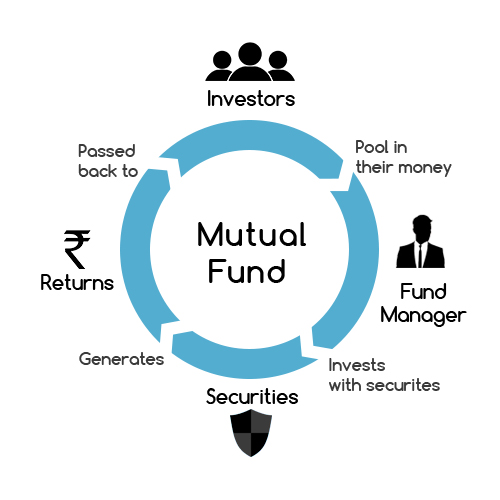
Mutual funds are investment vehicles that pool money from multiple investors to invest in a diversified portfolio of stocks, bonds, or other securities.

Mutual funds are managed by professional fund managers who make investment decisions on behalf of investors. Returns are distributed among investors based on their proportionate investments.

Yes, many mutual funds offer the option to start investing with as low as Rs. 500 per month, through a tool known as the Systematic Investment Plan (SIP).

Mutual funds carry varying degrees of risk, depending on their asset allocation in varied asset classes i.e. equities, fixed income, real estate, gold, etc., for instance, equity funds tend to be riskier but offer higher potential returns, while debt funds are considered to have a lower risk and offer lower returns than equity funds.

One needs to take into account a lot of factors including the time horizon, risk capacity and tolerance, liquidity, tax implications, current allocation of existing investments, financial goals, etc., you are advised to consult a financial advisor for personalized recommendations.

Yes, mutual funds charge fees known as expense ratios. These fees cover fund management and operating costs.

Yes, many mutual funds allow investors to switch their investments between different funds within the same fund house.

ELSS (Equity Linked Savings Scheme) funds also known as Tax Saver funds are a category of mutual funds that offer tax benefits under Section 80C of the Income Tax Act in India. They primarily invest in equities and have a lock-in period.

ELSS funds allow investors to claim a tax deduction of up to ₹1.5 lakh under Section 80C, thus reducing their taxable income.

The lock-in period for ELSS funds is typically 3 years, which is shorter compared to other tax-saving investment options.

In a growth plan, profits are reinvested, while in a dividend plan, profits are distributed as dividends to investors.

You can track your investments through the mutual fund's website, mobile apps, or by reviewing your statements.