Preloader Close
client1 client2 client3 client4 client5 client6 client7 client8 client9 client10 client11 client12 client13 client14 client15 client16 client17 client18 client19 client20 client21 client22 client23 client24 client25 client26 client27 client28 client29 client30 client31 client32 client33 client34 client35 client36 client37 client38 client39 client40 client41 client42 client43 client44 client45 client46 client47 client48 client49 client50 client51 client52 client1 client2 client3 client4 client5 client6 client7 client8 client9 client10 client11 client12 client13 client14 client15 client16 client17 client18 client19 client20 client21 client22 client23 client24 client25 client26 client27 client28 client29 client30 client31 client32 client33 client34 client35 client36 client37 client38 client39 client40 client41 client42 client43 client44 client45 client46 client47 client48 client49 client50 client51 client52

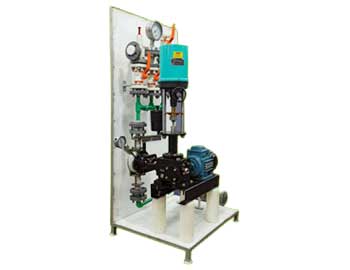
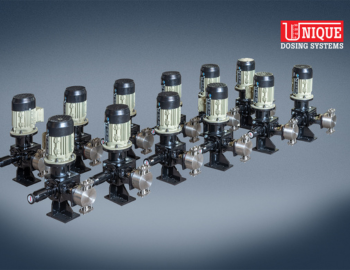
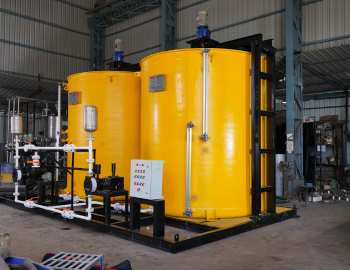
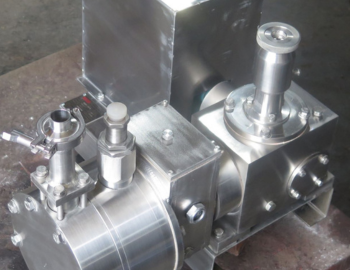
Auto Controlled Dosing Pump

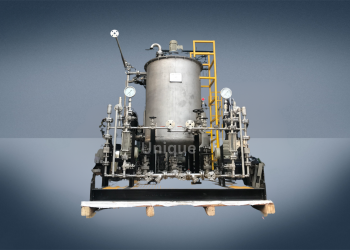
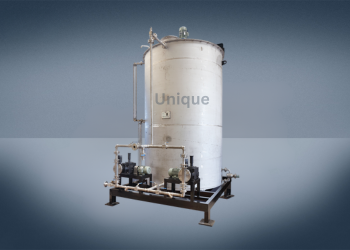
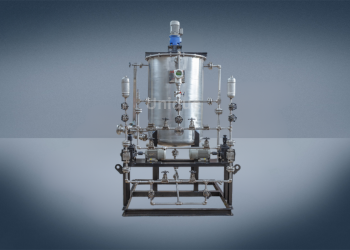
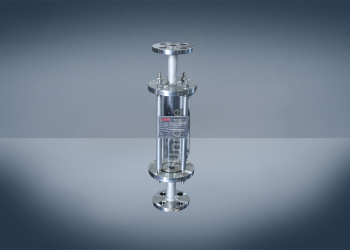
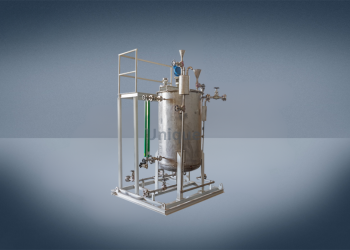
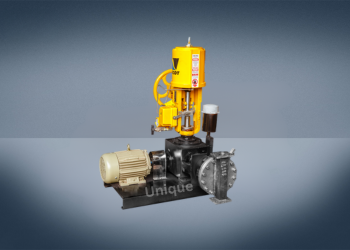
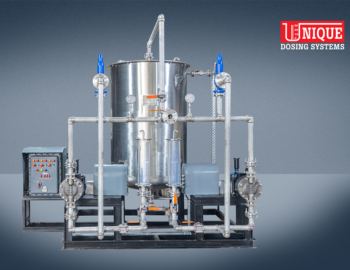
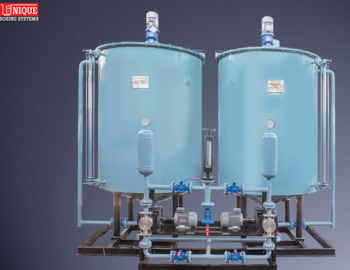
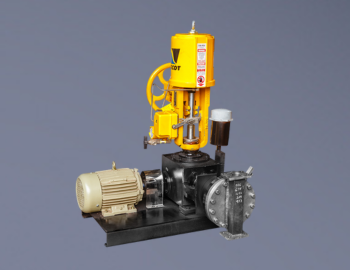
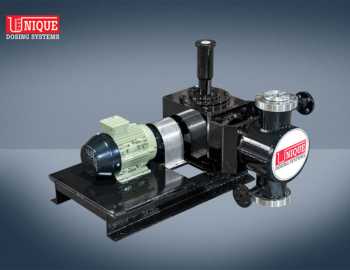
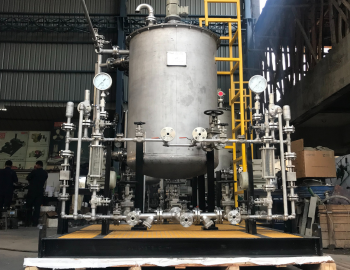
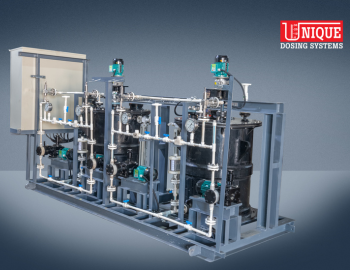
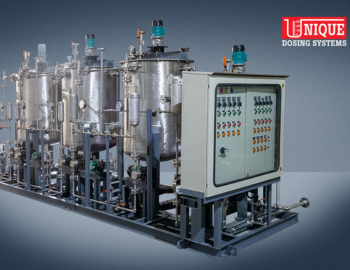
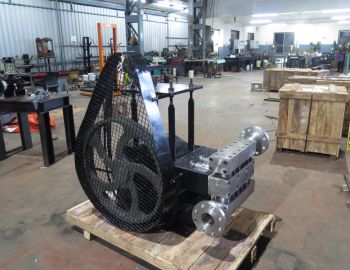
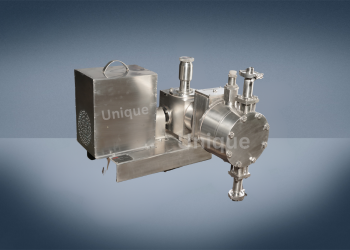
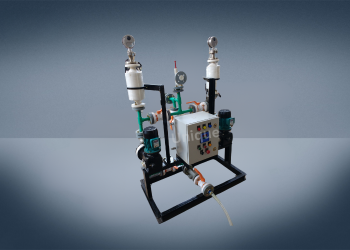
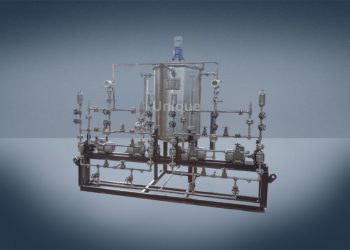
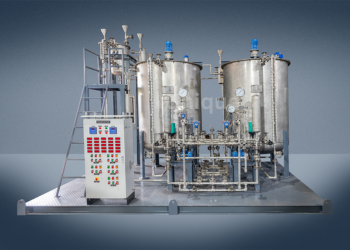
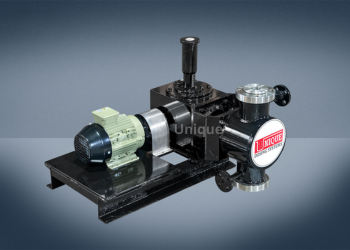
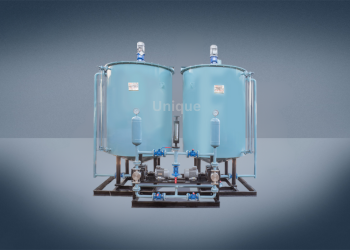
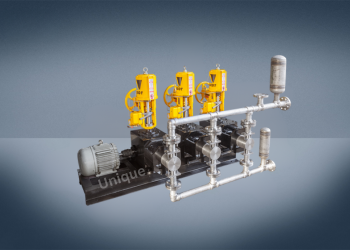
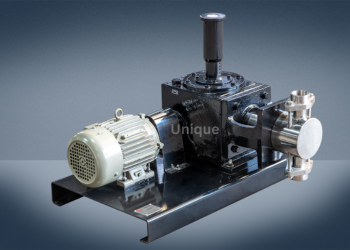
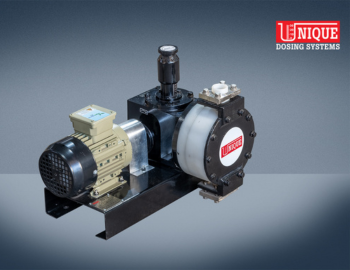
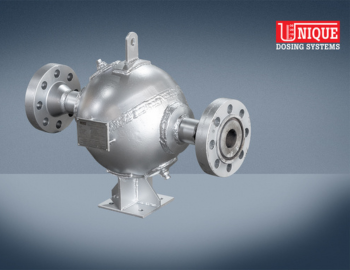
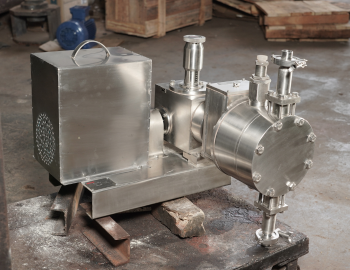
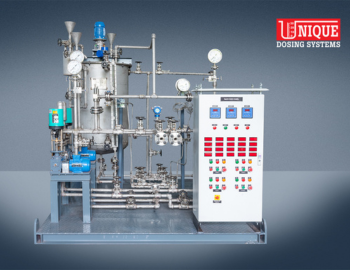
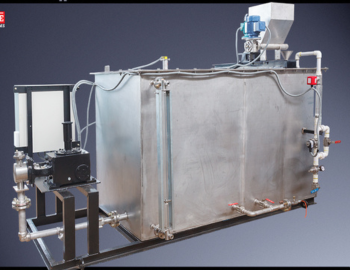
Unique Dosing Systems offers customized Auto Controlled Dosing Pumps which controls the System automatically. Specially, this type of Pump is designed as per User requirements. These Pump dose the liquid smoothly with its universal connection to existing process systems.

Application :

Pharmaceutical IndustryChemical Industry

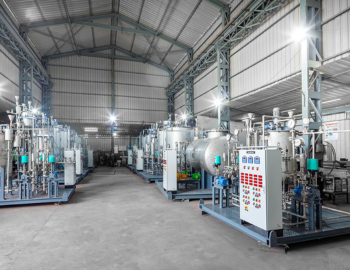
TESTING FACILITY

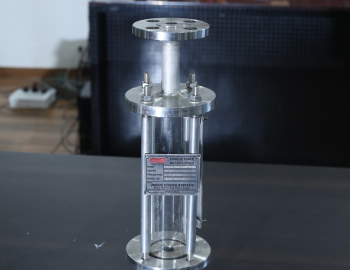
TEST FACILITY AT UDS

  • At time 6 pumps can be tested simultaneously
  • pump flow rate at working pressure
  • vibration of pump and motor, SOUND METER
  • Amp meter, Pressure meter
  • Voltage meter, Frequency meter.
  • All instruments are tested as per govt.standard at approved govt. lab
  • Pumps up to 7000 LPH flow and maximum 450 BAR pressure can be tested.

Envision Equipments

Know More About
Our Success

Bring to the table win-win survival strategies to ensure
proactive domination. At the end of the day, going for
ward, a new normal.

00

+ Country

00

Satisfied clients

00

Years experiences

00

Qualty paramerters

Features:

  • Optimum Performance
  • High Operational Fluency
  • Interconnecting Piping
  • Instruments like Pressure Gauges
  • PRV
  • Valves
  • Fittings
  • Aesthetic Look
FAQ

Frequently asked question

An auto controlled dosing pump is a device designed to automatically regulate the dosage of a liquid or chemical into a system. It ensures precise and consistent dosing, which is essential for processes that require accurate chemical addition, such as water treatment, chemical manufacturing, and food processing.

These pumps typically use sensors and control systems to monitor the flow rate and chemical concentration. Based on the readings, the control system adjusts the pump's output to maintain the desired dosing rate. This automation reduces the risk of human error and ensures consistent dosing.

• Accuracy: Provides precise and consistent dosing.
• Efficiency: Reduces waste and optimizes chemical usage.
• Safety: Minimizes the risk of over- or under-dosing.
• Convenience: Reduces the need for manual intervention and monitoring.
• Cost-effective: Lowers operational costs by optimizing chemical consumption

• Water and wastewater treatment plants
• Chemical manufacturing facilities
• Food and beverage industry
• Pharmaceutical industry
• Agriculture for fertilizer and pesticide application

These pumps can handle a wide range of chemicals, including:
• Acids and bases
• Disinfectants
• Coagulants and flocculants
• Corrosion inhibitors
• Nutrients and fertilizers

Regular maintenance includes:
• Checking and cleaning the pump head and valves
• Inspecting and replacing worn-out parts like seals and diaphragms
• Ensuring sensors and control systems are calibrated and functioning correctly
• Regularly flushing the pump to prevent clogging or buildup of chemicals

Yes, but it depends on the pump design. Some dosing pumps are specifically designed to handle high-viscosity fluids, while others may require modifications or special accessories.

While they improve safety by reducing human error, it's essential to follow manufacturer guidelines and safety protocols. Ensure that all personnel are trained in the proper use and maintenance of the equipment, and always use appropriate personal protective equipment (PPE) when handling chemicals.

• Inconsistent dosing: Check for clogs, air leaks, or worn-out components.
• Pump not starting: Ensure proper power supply and check control settings.
• Leakage: Inspect seals and connections for wear and proper installation.
• Noise or vibration: Look for mechanical issues or improper installation.

Yes, they can often be integrated with other control systems, such as SCADA (Supervisory Control and Data Acquisition) or PLC (Programmable Logic Controller) systems, for centralized monitoring and control.

Consider the following factors:
• Chemical compatibility: Ensure the pump materials are compatible with the chemicals you intend to dose.
• Flow rate and pressure: Match the pump's capacity to your system's requirements.
• Control options: Determine if you need simple on/off control, proportional dosing, or advanced programmable features.
• Maintenance and support: Look for reliable brands with good customer support and easy maintenance.
Go To Top