Preloader Close
client1 client2 client3 client4 client5 client6 client7 client8 client9 client10 client11 client12 client13 client14 client15 client16 client17 client18 client19 client20 client21 client22 client23 client24 client25 client26 client27 client28 client29 client30 client31 client32 client33 client34 client35 client36 client37 client38 client39 client40 client41 client42 client43 client44 client45 client46 client47 client48 client49 client50 client51 client52 client1 client2 client3 client4 client5 client6 client7 client8 client9 client10 client11 client12 client13 client14 client15 client16 client17 client18 client19 client20 client21 client22 client23 client24 client25 client26 client27 client28 client29 client30 client31 client32 client33 client34 client35 client36 client37 client38 client39 client40 client41 client42 client43 client44 client45 client46 client47 client48 client49 client50 client51 client52

Reciprocating Pumps

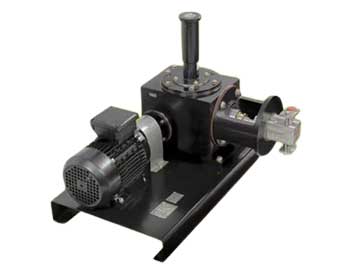
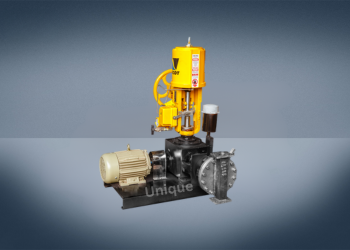
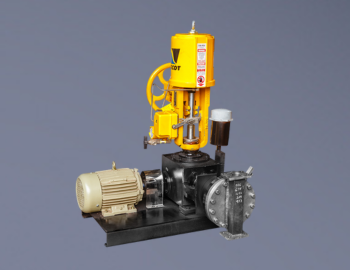
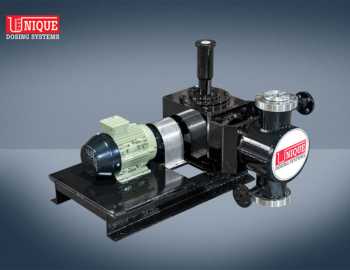
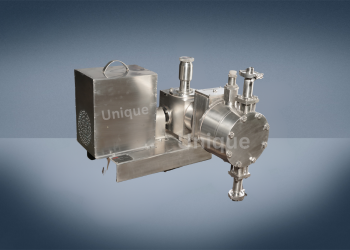
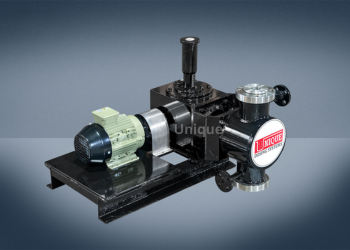
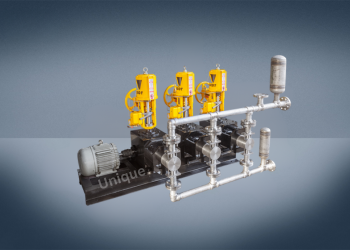
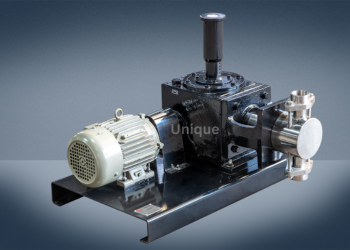
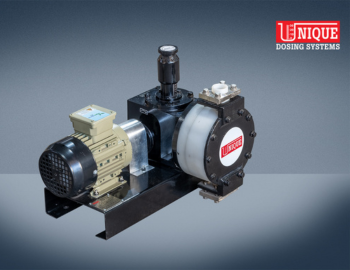
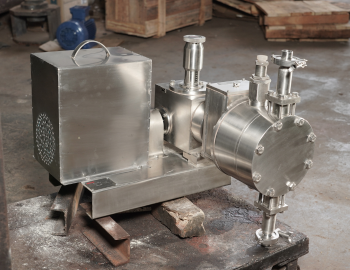
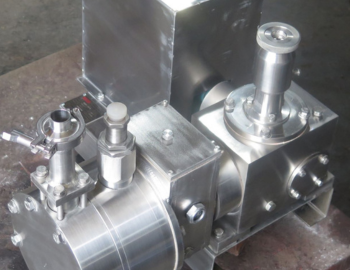
Repaying Pump Manufacturer is a positive relegation pump with plunger pump, diaphragm pump, and piston pump where certain volume of liquid is collected in enclosed volume and is discharged using pressure to the needed operation. These pumps are most suitable for low volumes of inflow at high pressures. repaying pump is also known as constant volume pump.
The working principle of repaying Pump that when vacuum is created also the piston moves left at the time of suction stroke and due to increase pressure in cylinder, suction stopcock get close and through delivery pipe water is delivered. repaying pump is extensively used for the curvaceous pressure systems, light oil painting pumping, feeding small boilers, and oil painting drilling operations, swab water disposal. repaying Pumps are suitable for Pharmaceutical, Chemical, Food and beverage, Oil and gas, Cosmetic diligence. Reciprocating Pump, repaying Pump Manufacturers, repaying Pump Suppliers and Exporters in Nashik, India

TESTING FACILITY

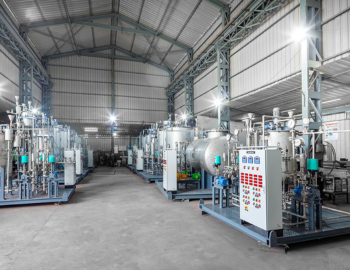
TEST FACILITY AT UDS

  • At time 6 pumps can be tested simultaneously
  • pump flow rate at working pressure
  • vibration of pump and motor, SOUND METER
  • Amp meter, Pressure meter
  • Voltage meter, Frequency meter.
  • All instruments are tested as per govt.standard at approved govt. lab
  • Pumps up to 7000 LPH flow and maximum 450 BAR pressure can be tested.

Envision Equipments

Know More About
Our Success

Bring to the table win-win survival strategies to ensure
proactive domination. At the end of the day, going for
ward, a new normal.

00

+ Country

00

Satisfied clients

00

Years experiences

00

Qualty paramerters

Features :

  • Reciprocating pumps have high efficiency as compared to other pump.
  • Reciprocating pump have optimum flow with smooth movement.
  • These pumps are with high pressure and low flow applications.
  • Pumps are durable and rugged design.
FAQ

Frequently asked question

A Reciprocating Pump is a type of positive displacement pump that uses a piston, plunger, or diaphragm that moves back and forth within a cylinder to move fluid. These pumps are known for their ability to handle high pressures and precise flow rates.

The pump works by drawing fluid into a chamber during the suction stroke and then displacing it during the discharge stroke. This back-and-forth motion is created by a crankshaft or a cam mechanism.

The main types include piston pumps, plunger pumps, and diaphragm pumps. Each type uses a different mechanism for the reciprocating motion but operates on the same basic principle.

These pumps are used in various industries such as oil and gas, chemical processing, water treatment, pharmaceuticals, food and beverage, and mining for applications like chemical dosing, high-pressure cleaning, hydraulic systems, and transferring viscous fluids.

High-pressure capability, precise flow control, ability to handle a wide range of fluids, good suction characteristics, and reliable operation in various industrial applications.

Reciprocating Pumps can handle water, oils, chemicals, slurries, abrasive materials, and viscous fluids, depending on the pump's design and construction materials.

Common materials include stainless steel, cast iron, brass, PVC, and PTFE, selected based on the fluid being pumped and the required durability.

The flow rate can be controlled by adjusting the speed of the reciprocating motion, changing the stroke length, or using automated control systems to regulate the pump’s operation.

Regular maintenance includes inspecting and replacing worn parts (seals, valves, plungers, or diaphragms), lubricating moving parts, and checking for leaks or other issues.

• Common problems include leaks, wear and tear of components, and clogging. Solutions involve regular maintenance, timely replacement of worn parts, and ensuring the pump operates within its specified parameters.
Go To Top