Preloader Close
client1 client2 client3 client4 client5 client6 client7 client8 client9 client10 client11 client12 client13 client14 client15 client16 client17 client18 client19 client20 client21 client22 client23 client24 client25 client26 client27 client28 client29 client30 client31 client32 client33 client34 client35 client36 client37 client38 client39 client40 client41 client42 client43 client44 client45 client46 client47 client48 client49 client50 client51 client52 client1 client2 client3 client4 client5 client6 client7 client8 client9 client10 client11 client12 client13 client14 client15 client16 client17 client18 client19 client20 client21 client22 client23 client24 client25 client26 client27 client28 client29 client30 client31 client32 client33 client34 client35 client36 client37 client38 client39 client40 client41 client42 client43 client44 client45 client46 client47 client48 client49 client50 client51 client52

Dosing Systems

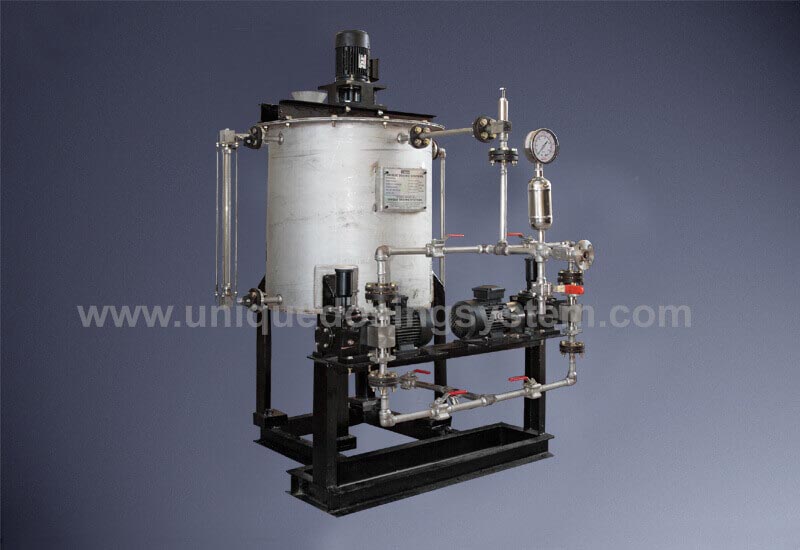
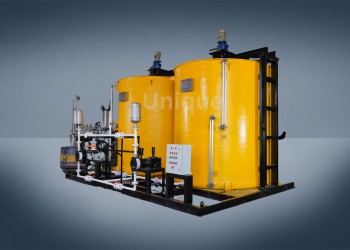
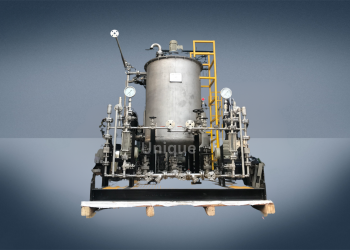
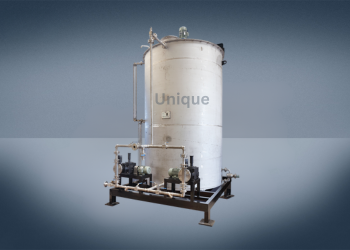
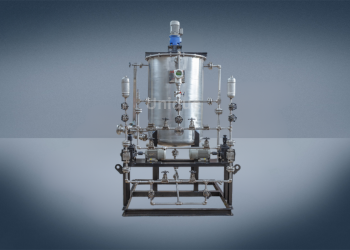
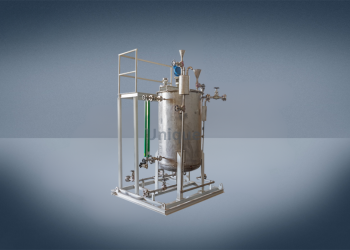
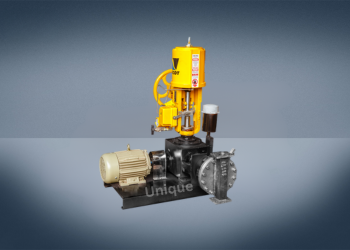
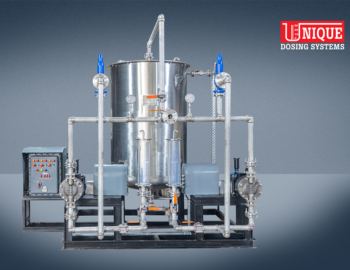
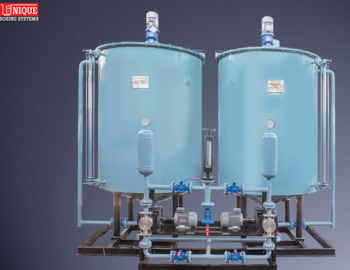
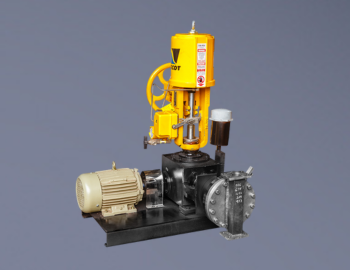
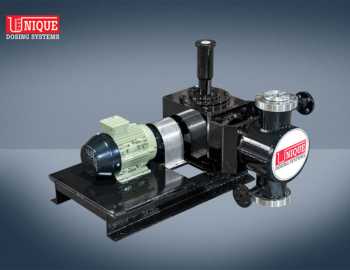
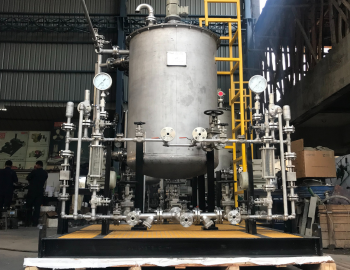
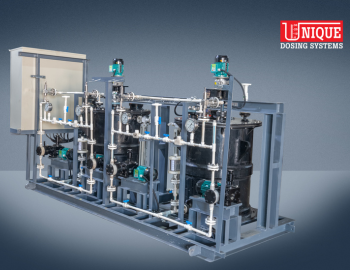
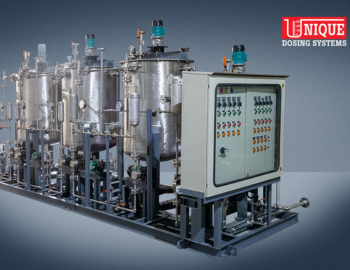
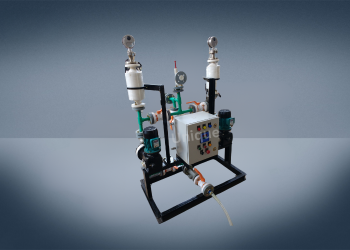
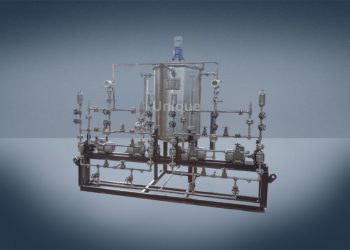
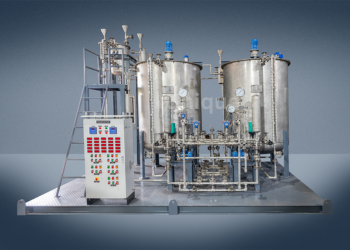
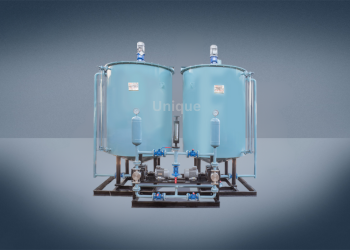
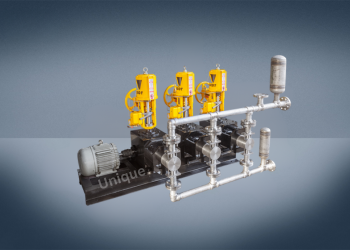
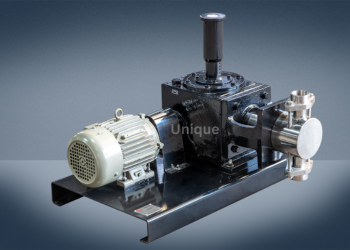
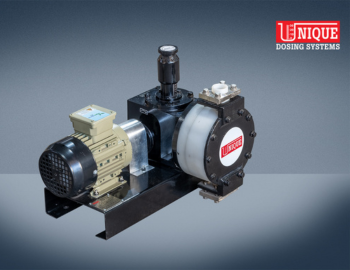
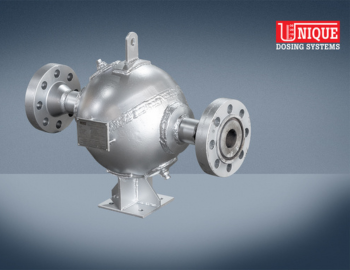
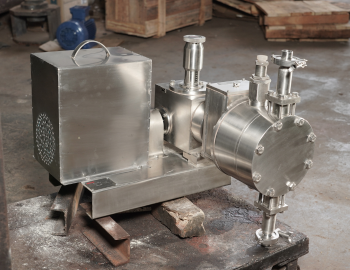
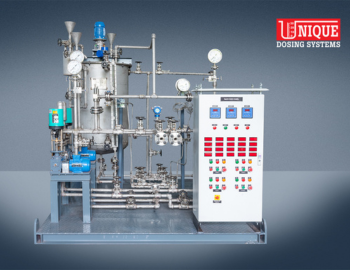
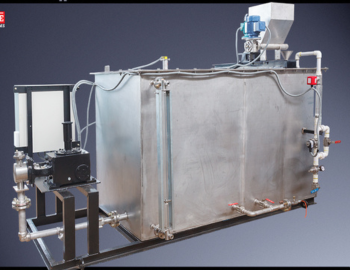
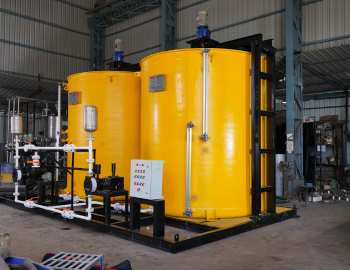
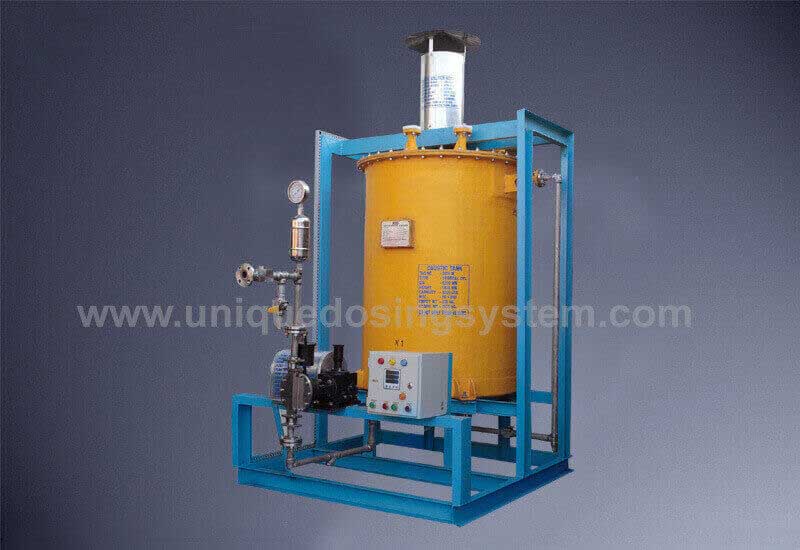
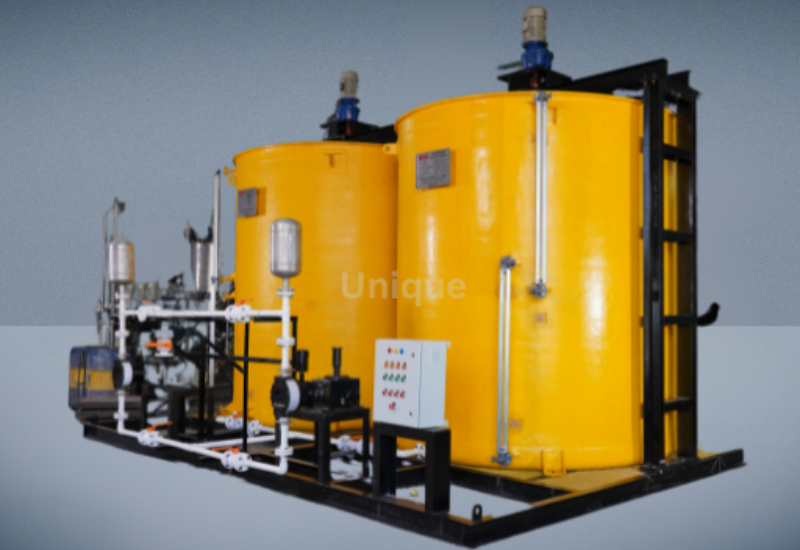
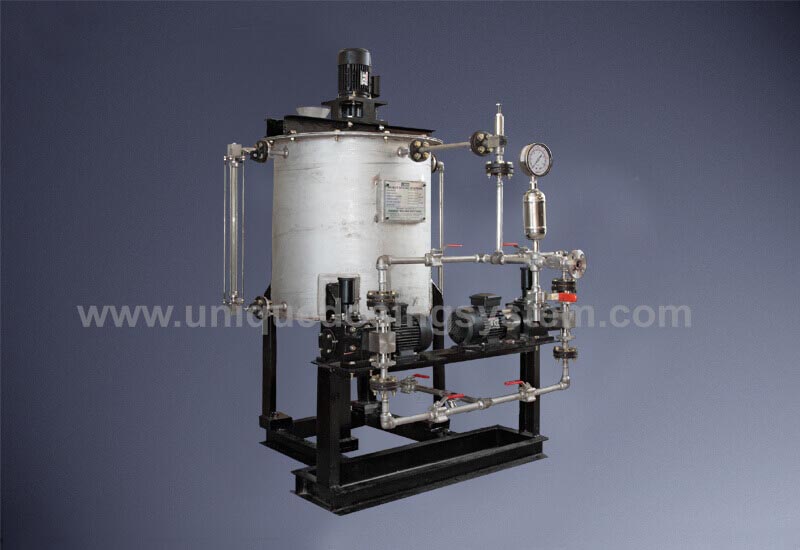
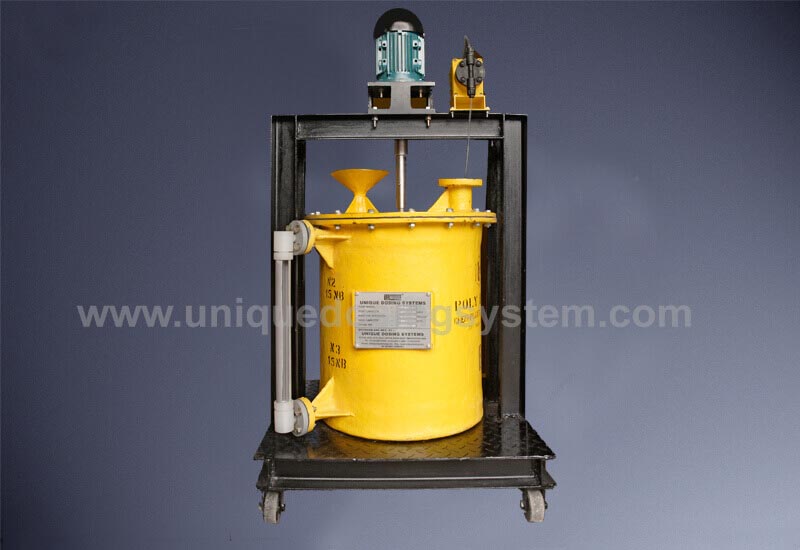
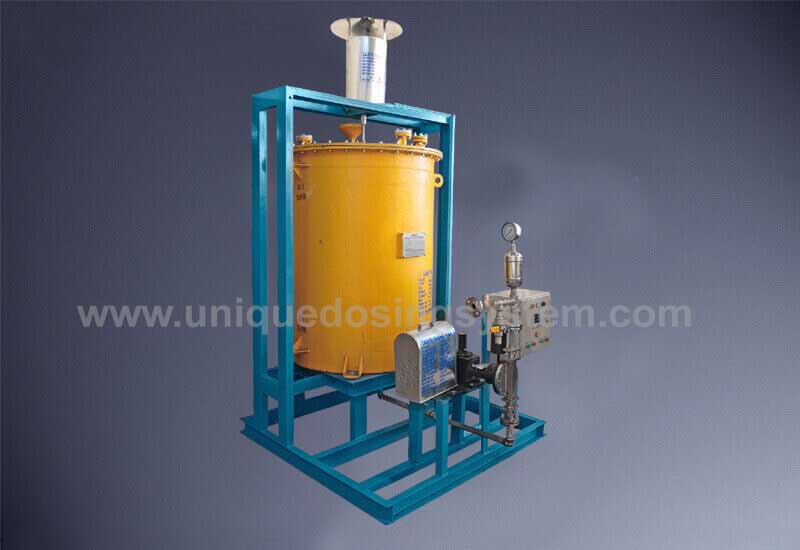
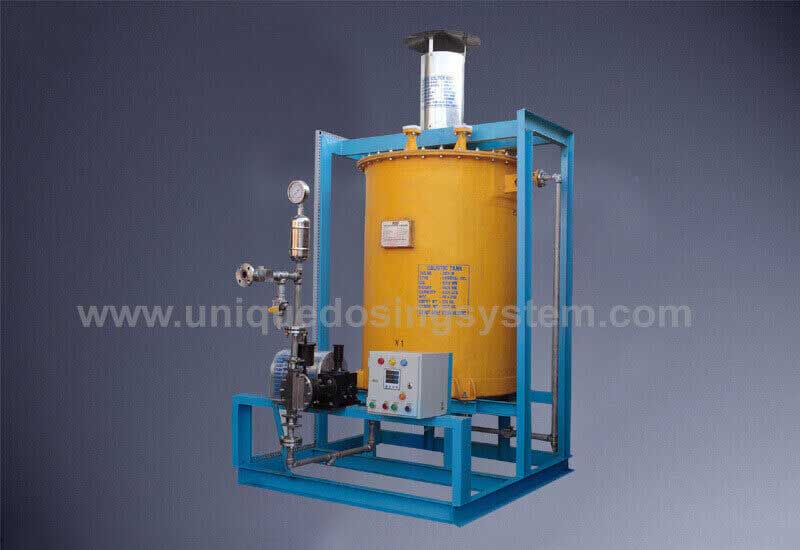
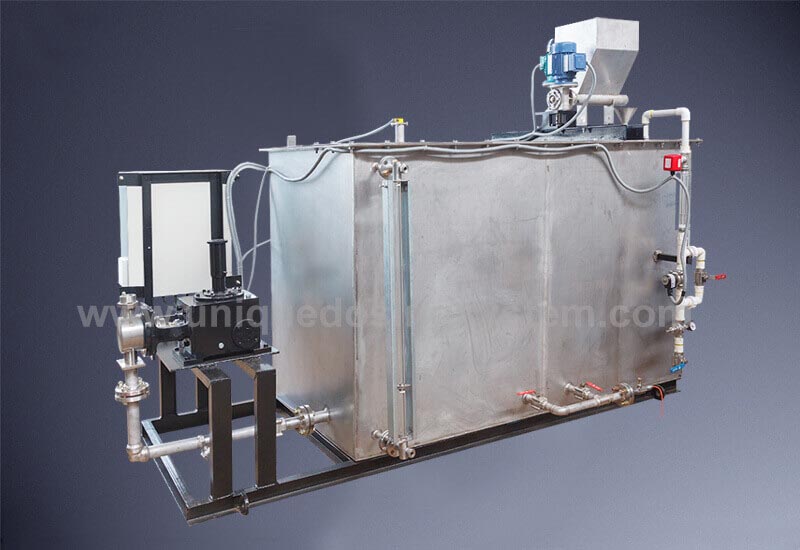
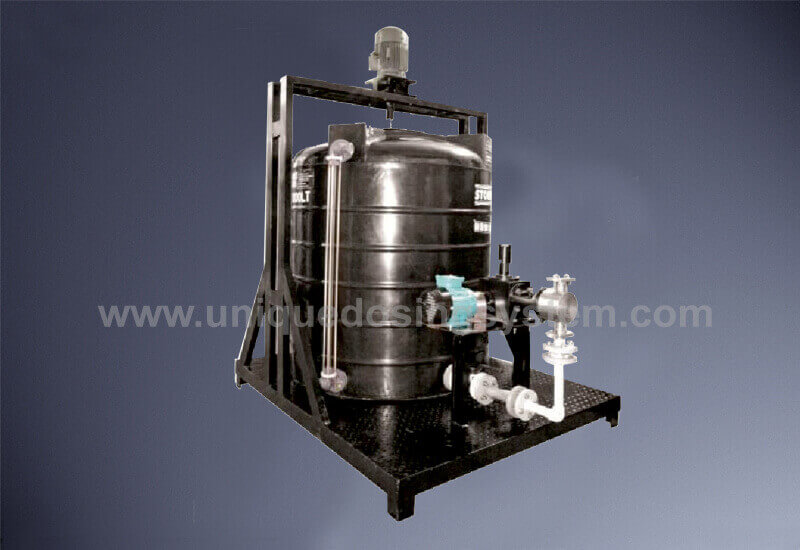
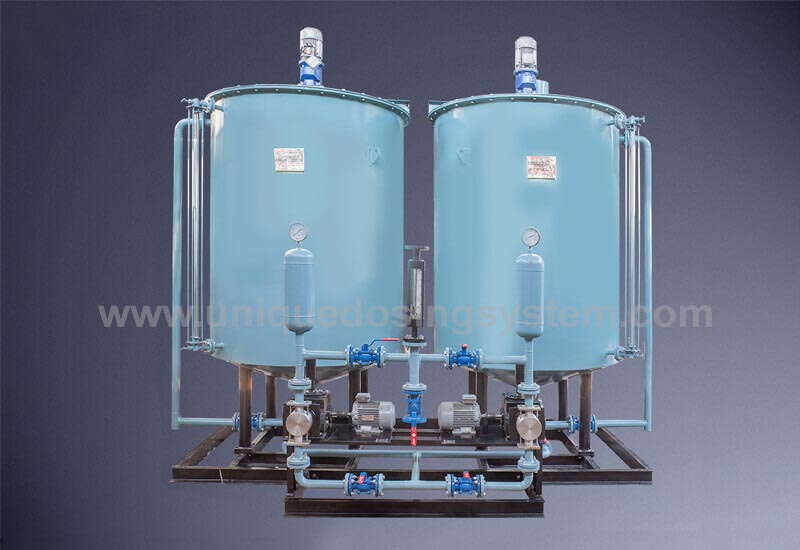
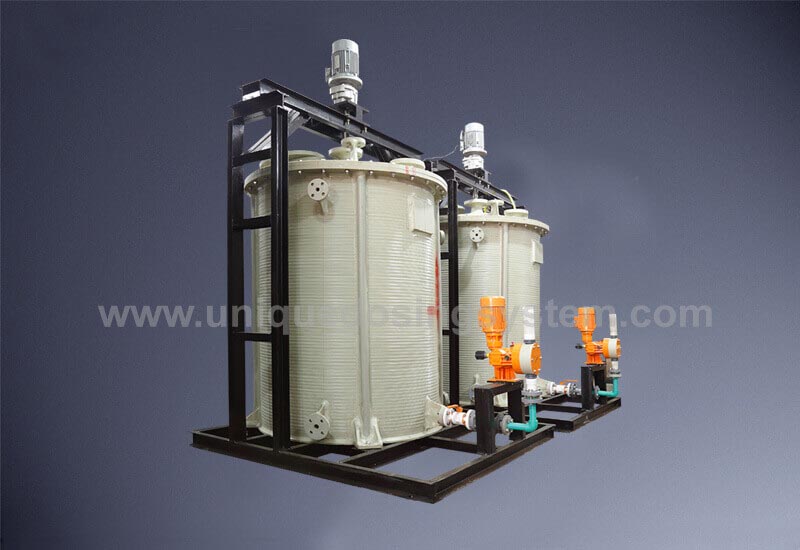
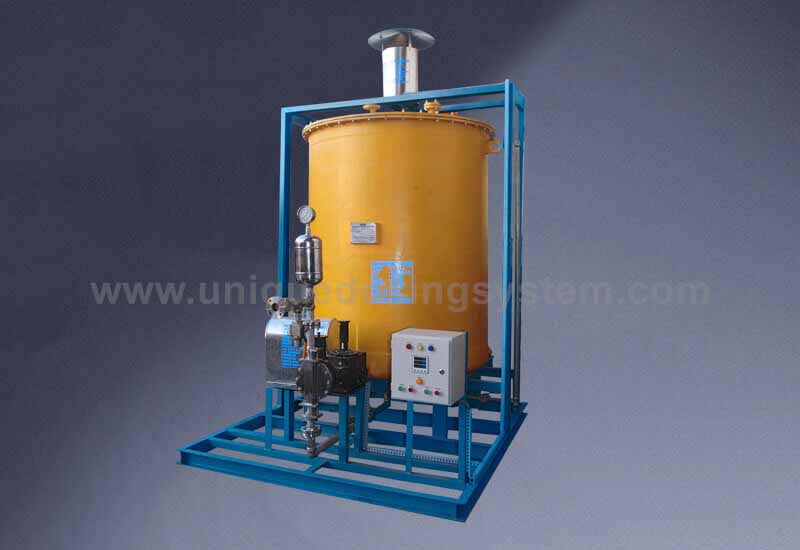
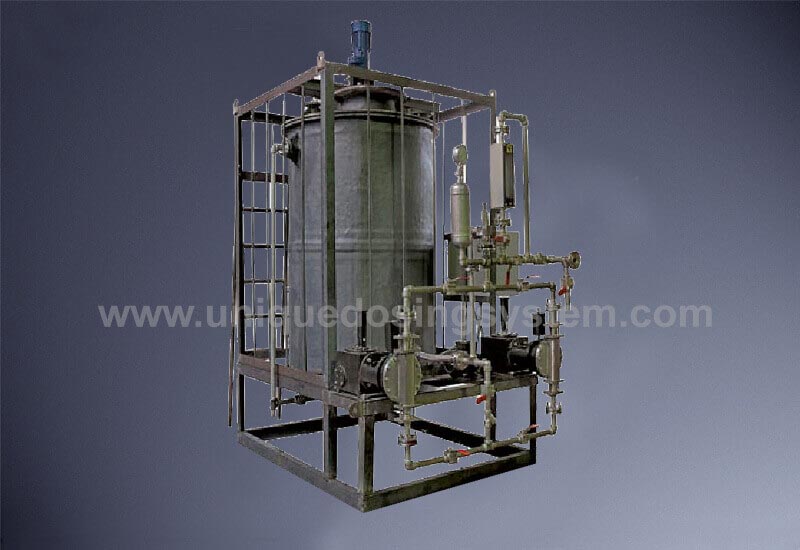
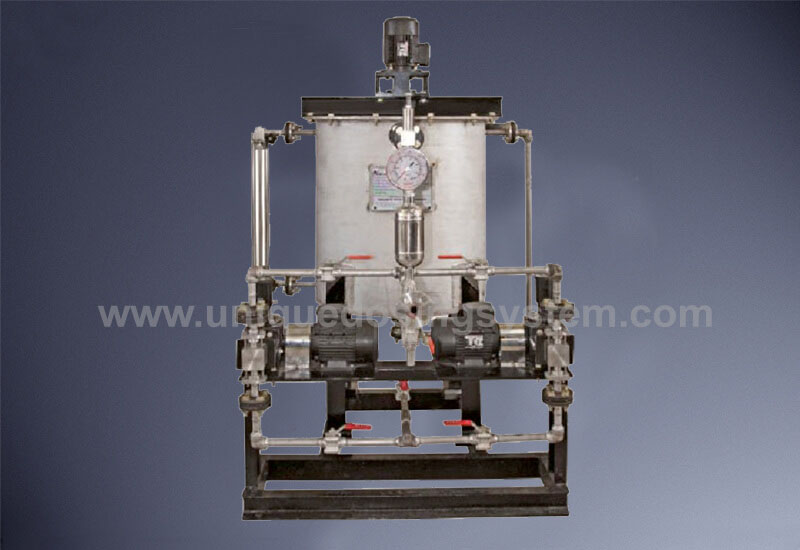
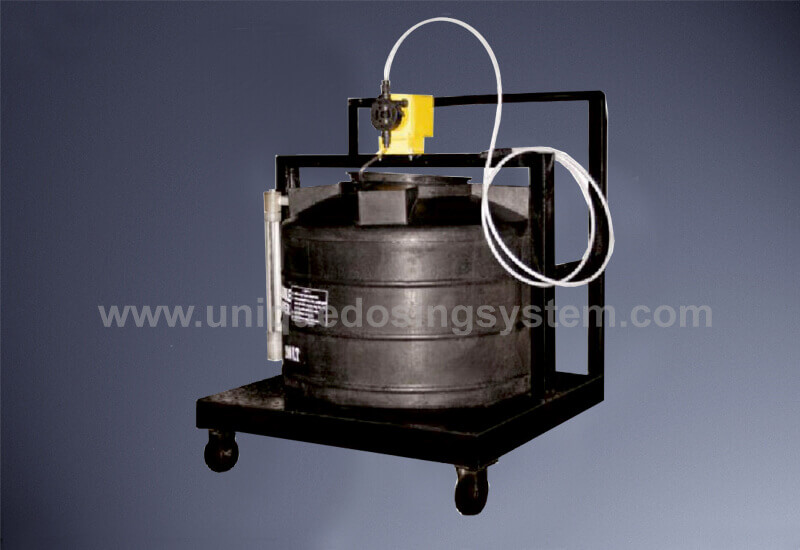
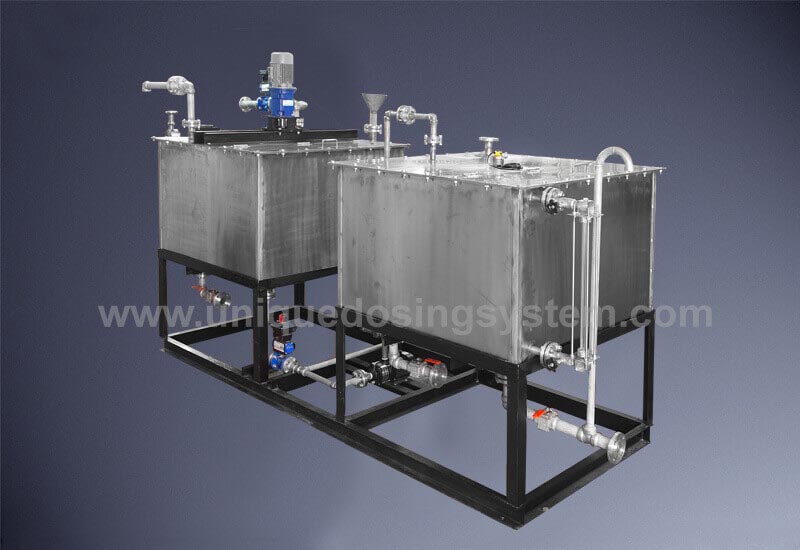
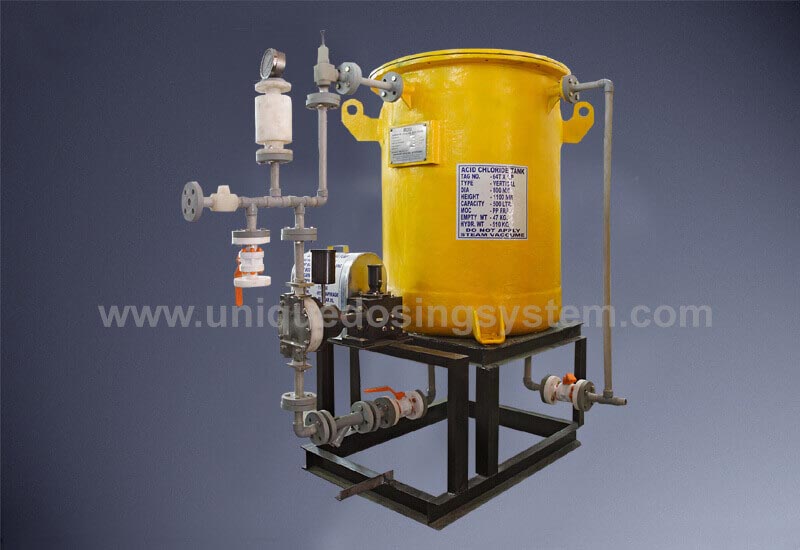
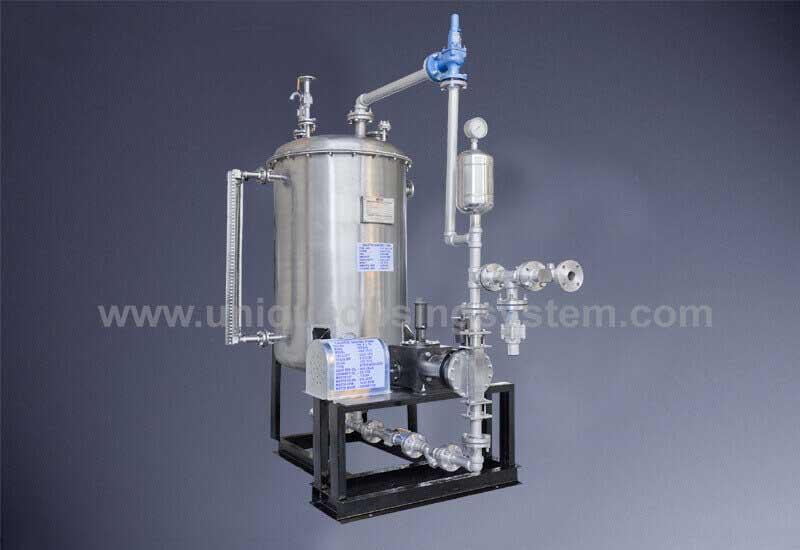
Dosing system is basically used for feeding medicines and chemicals. These are designed with utmost preciseness to ensure longer service life and high performance. And such type of dosing systems, dosing task will become very user-friendly. It is mostly demanded in various power stations and also in textile industries for the treatment of chemicals. The dosing systems that we provide are known for not providing any sort of interface issues between single components. furthermore, these are customized as per the application based.

A dosing system is a mechanism or device used to accurately measure and dispense precise amounts of liquid or powder materials in various applications, such as pharmaceuticals, food and beverage, and chemical manufacturing.

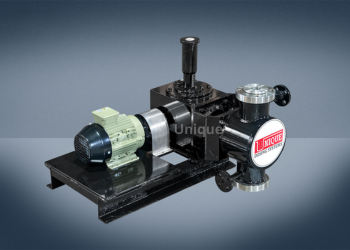
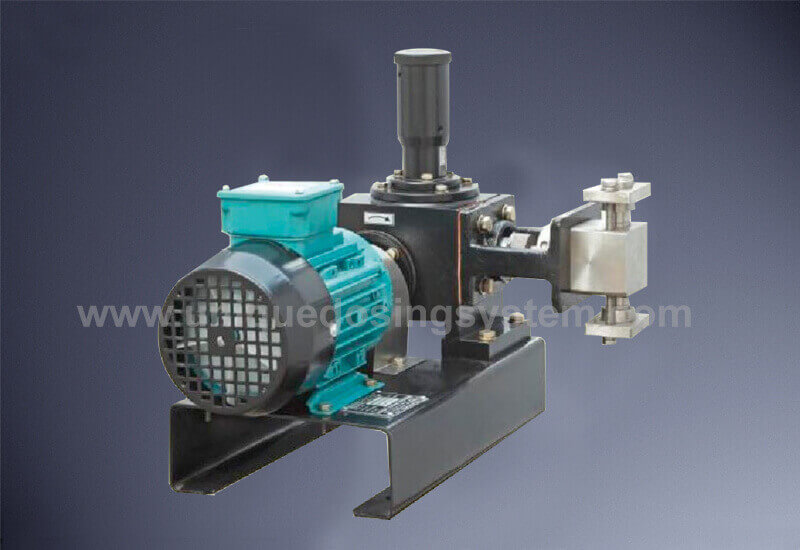
Dosing systems typically use pumps, valves, and control systems to measure and dispense specific quantities of substances. They can be manual or automated, often incorporating sensors and controllers for precision.

Common types of dosing systems include:
•Volumetric dosing systems
•Gravimetric dosing systems
•Peristaltic pumps
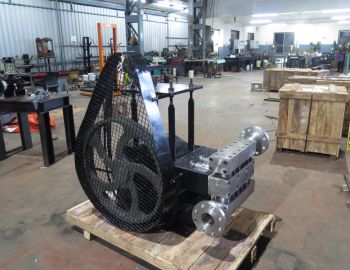
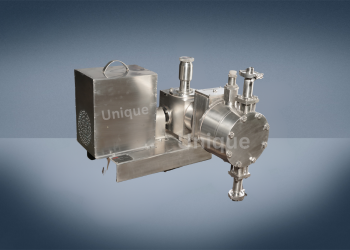
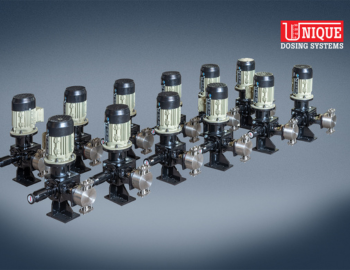
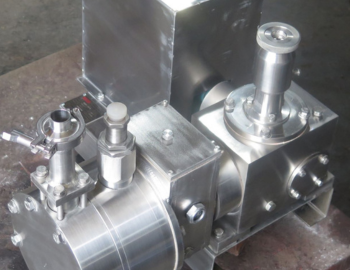
•Diaphragm pumps
•Screw feeders

Dosing systems are used in various industries, including:
• Pharmaceutical production
• Food and beverage processing
• Water treatment
• Chemical manufacturing
• Agriculture

To choose the right dosing system, consider factors such as the type of material being dosed, required accuracy, flow rate, environmental conditions, and whether the system needs to be automated or manual.

Factors that can affect accuracy include:
• Calibration of the system
• Properties of the material (viscosity, density)
• Environmental conditions (temperature, pressure)
• Maintenance and wear of components

Dosing systems should be calibrated regularly, typically every 6 to 12 months, or whenever there are significant changes in the material being dosed or after maintenance.

Yes, many dosing systems can be designed or configured to handle multiple materials, but this may require specific adjustments or additional components to prevent cross-contamination.

Routine maintenance may include cleaning, checking for wear on pumps and seals, calibrating the system, and inspecting electrical components. Follow the manufacturer's guidelines for specific maintenance schedules.

Many modern dosing systems are designed to minimize waste and reduce environmental impact. Look for systems that feature efficient dosing technologies and materials that comply with environmental standards.
TESTING FACILITY

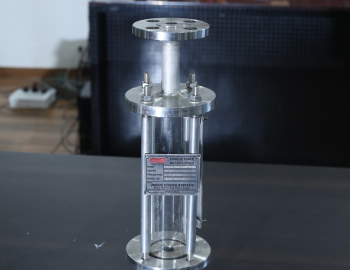
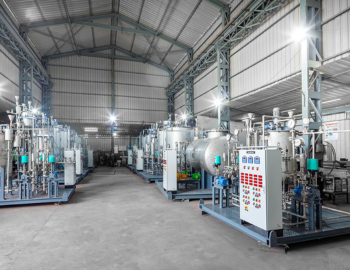
TEST FACILITY AT UDS

  • At time 6 pumps can be tested simultaneously
  • pump flow rate at working pressure
  • vibration of pump and motor, SOUND METER
  • Amp meter, Pressure meter
  • Voltage meter, Frequency meter.
  • All instruments are tested as per govt.standard at approved govt. lab
  • Pumps up to 7000 LPH flow and maximum 450 BAR pressure can be tested.

Envision Equipments

Know More About
Our Success

Bring to the table win-win survival strategies to ensure
proactive domination. At the end of the day, going for
ward, a new normal.

00

+ Country

00

Satisfied clients

00

Years experiences

00

Qualty paramerters

Go To Top