Preloader Close
client1 client2 client3 client4 client5 client6 client7 client8 client9 client10 client11 client12 client13 client14 client15 client16 client17 client18 client19 client20 client21 client22 client23 client24 client25 client26 client27 client28 client29 client30 client31 client32 client33 client34 client35 client36 client37 client38 client39 client40 client41 client42 client43 client44 client45 client46 client47 client48 client49 client50 client51 client52 client1 client2 client3 client4 client5 client6 client7 client8 client9 client10 client11 client12 client13 client14 client15 client16 client17 client18 client19 client20 client21 client22 client23 client24 client25 client26 client27 client28 client29 client30 client31 client32 client33 client34 client35 client36 client37 client38 client39 client40 client41 client42 client43 client44 client45 client46 client47 client48 client49 client50 client51 client52

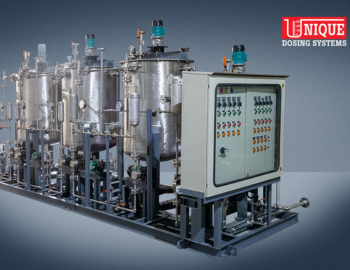
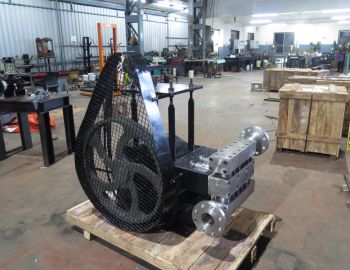
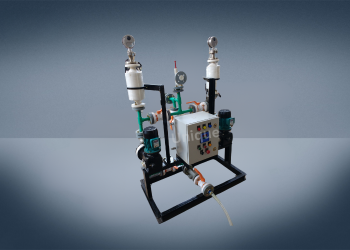
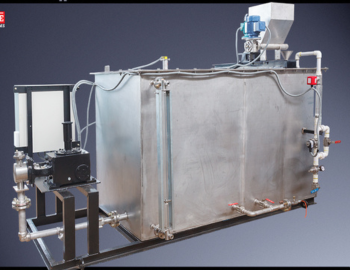
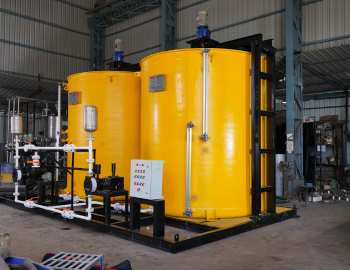
Dosing Pumps

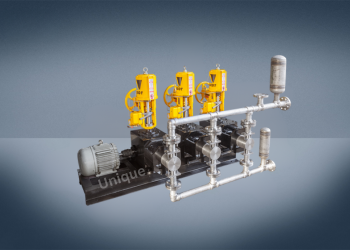
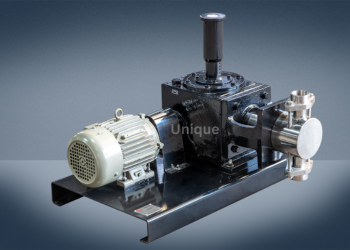
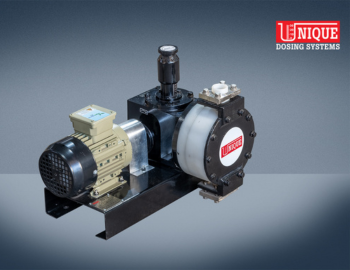
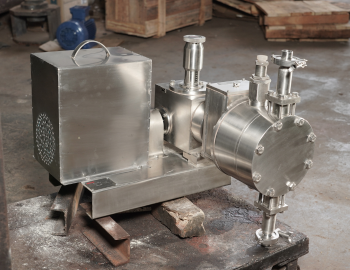
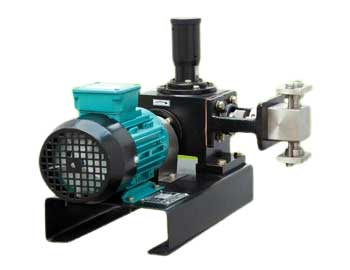
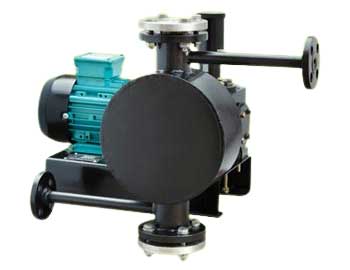
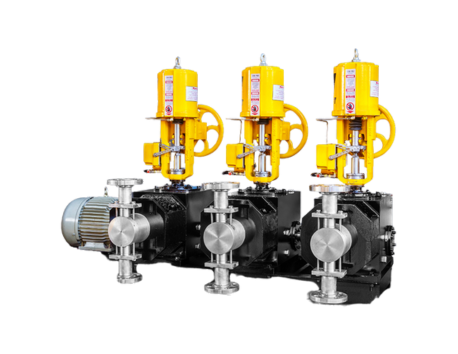
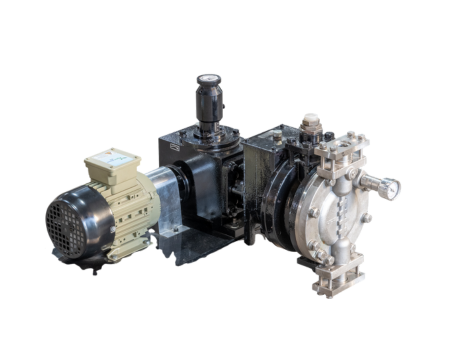
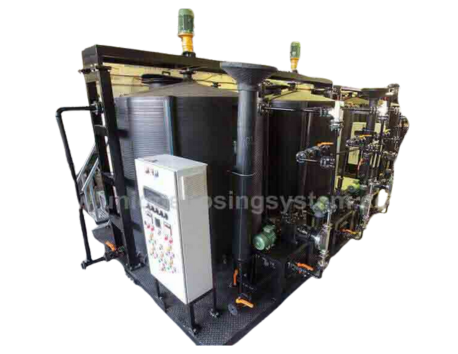
Definition of Dosing pumps are like the bartenders of the industrial world - they deliver precise amounts of liquids, like chemicals or additives, into a system at a controlled rate.

Importance of Dosing Pumps in Various Industries These little champs play a crucial role in industries like water treatment, agriculture, and manufacturing, ensuring that the right amount of stuff gets mixed in at the right time.
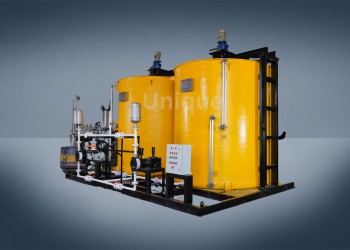
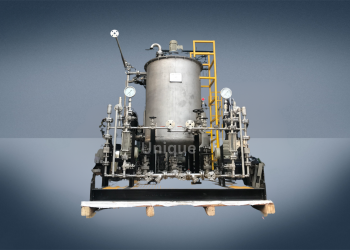
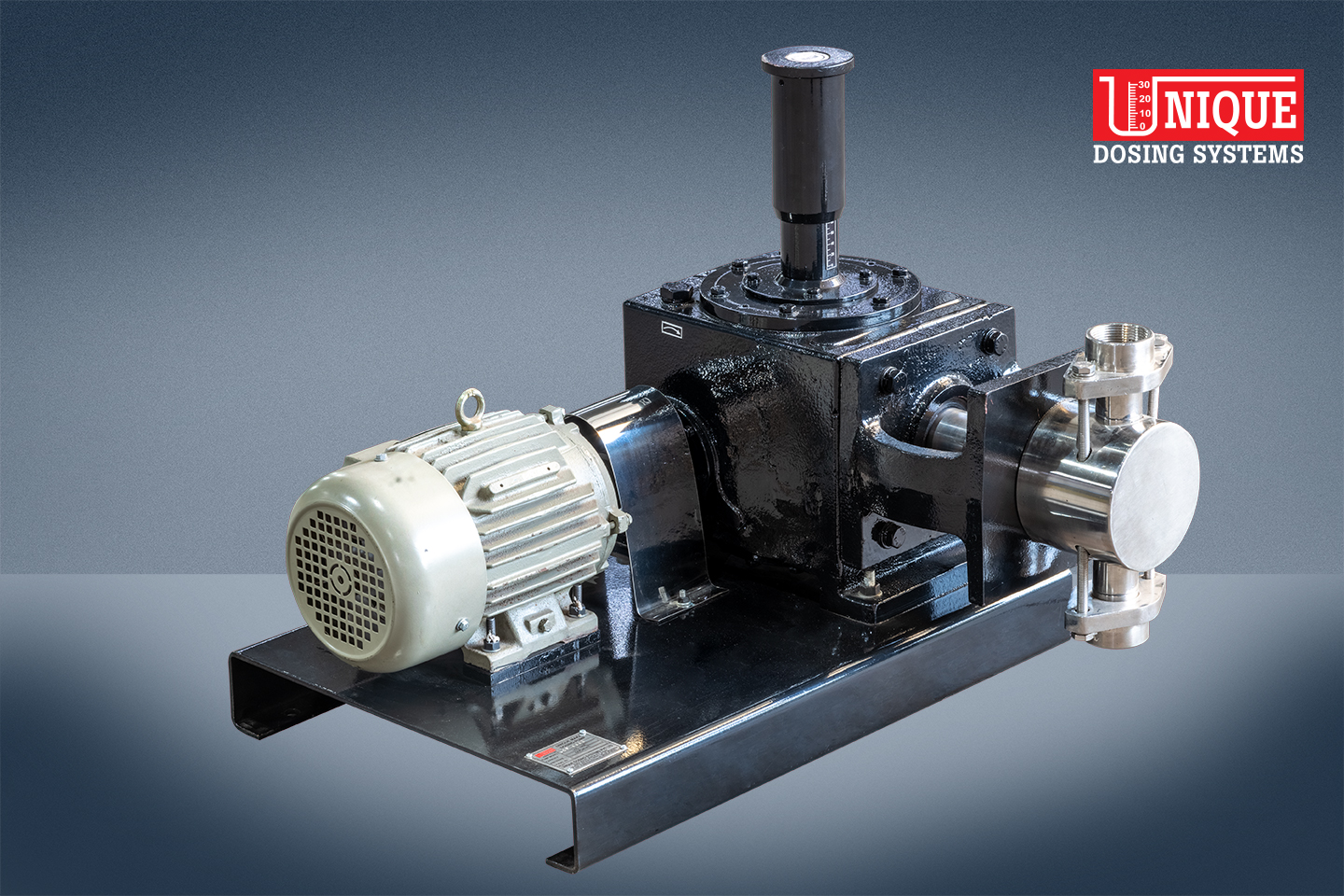
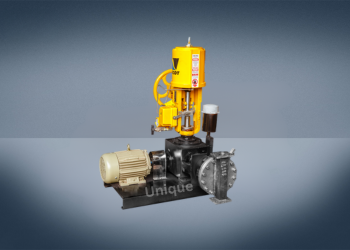
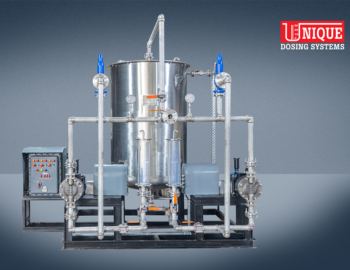
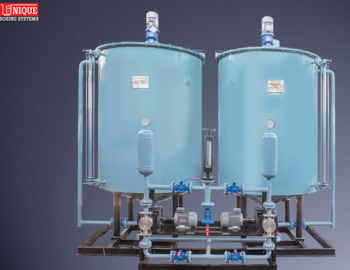
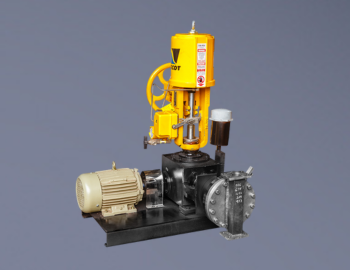
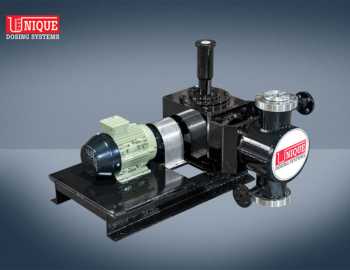
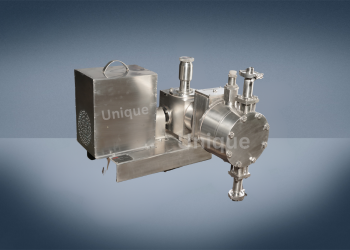
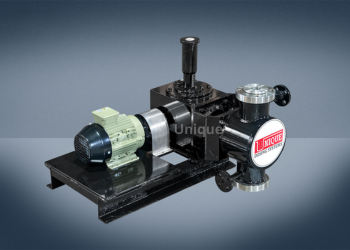
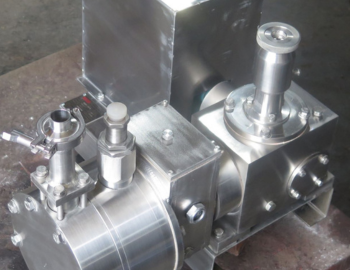
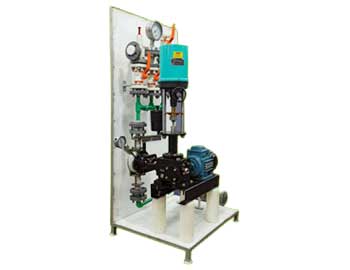
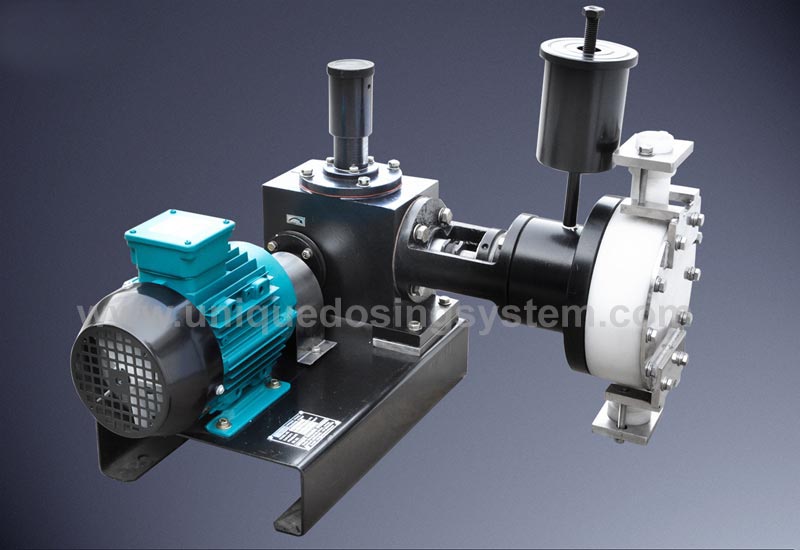
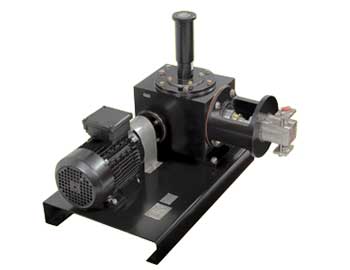
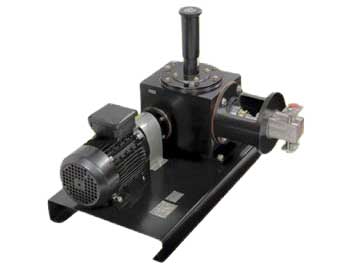
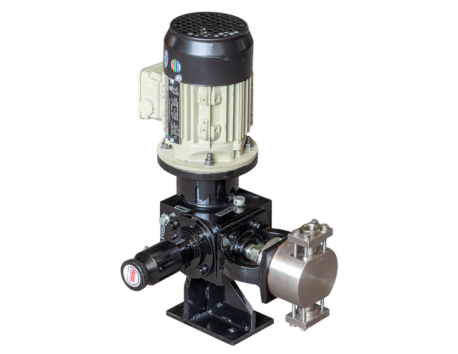
A dosing pump is a type of positive displacement pump designed to inject a precise amount of liquid into a process stream. This liquid can be a chemical, medicine, or other substance that needs to be added in controlled quantities.

A dosing pump typically works by drawing a fixed volume of liquid into a chamber and then injecting it into a process or system. The pump's operation is usually controlled by an electronic controller that allows for precise adjustments in the volume and rate of liquid being dosed.

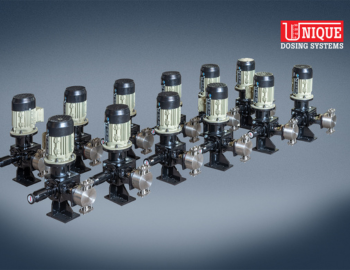
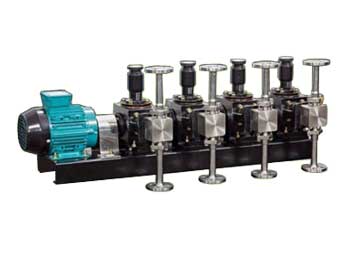
The main types of dosing pumps include diaphragm pumps, peristaltic pumps, piston pumps, and solenoid pumps. Each type operates differently and is suitable for different applications.

Dosing pumps are used in various industries including water treatment, chemical processing, pharmaceuticals, food and beverage production, and agriculture. They are essential for processes that require the precise addition of substances.

Choosing the right dosing pump involves considering factors such as the type of liquid to be dosed, required flow rate, pressure, chemical compatibility, and specific application needs. Consulting with a specialist or manufacturer can help ensure the right pump is selected.

Regular maintenance of a dosing pump includes checking for leaks, inspecting seals and diaphragms, cleaning valves, and ensuring the electronic controller is functioning properly. Following the manufacturer's maintenance schedule is crucial for optimal performance and longevity.

Yes, dosing pumps are designed to handle a wide range of fluids, including corrosive and viscous substances. However, it's important to select a pump made from materials that are compatible with the specific fluid to prevent damage and ensure reliable operation.

The benefits of using a dosing pump include accurate and consistent dosing, reduced chemical waste, improved process control, and the ability to automate dosing processes. This leads to increased efficiency and cost savings in various applications.

Calibrating a dosing pump typically involves measuring the actual flow rate of the pump over a specific period and comparing it to the desired flow rate. Adjustments are then made using the pump's control system to ensure accurate dosing. It's recommended to follow the manufacturer's instructions for calibration.

Safety precautions when using dosing pumps include wearing appropriate personal protective equipment (PPE), ensuring proper ventilation, following all manufacturer guidelines, and conducting regular maintenance checks. Additionally, understanding the properties of the chemicals being dosed is crucial to prevent accidents and ensure safe operation.
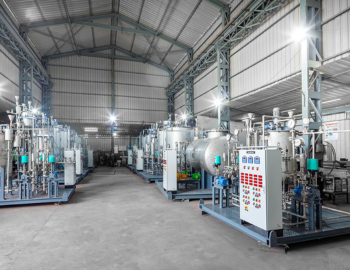
TESTING FACILITY

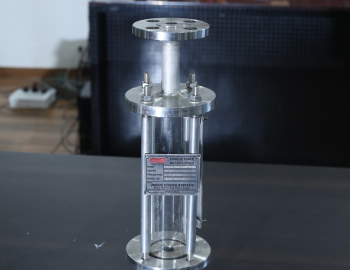
TEST FACILITY AT UDS

  • At time 6 pumps can be tested simultaneously
  • pump flow rate at working pressure
  • vibration of pump and motor, SOUND METER
  • Amp meter, Pressure meter
  • Voltage meter, Frequency meter.
  • All instruments are tested as per govt.standard at approved govt. lab
  • Pumps up to 7000 LPH flow and maximum 450 BAR pressure can be tested.

Envision Equipments

Know More About
Our Success

Bring to the table win-win survival strategies to ensure
proactive domination. At the end of the day, going for
ward, a new normal.

00

+ Country

00

Satisfied clients

00

Years experiences

00

Qualty paramerters

Go To Top